Plenary Presentations
(Conference presentations/papers can be found under the "Writing" tab)
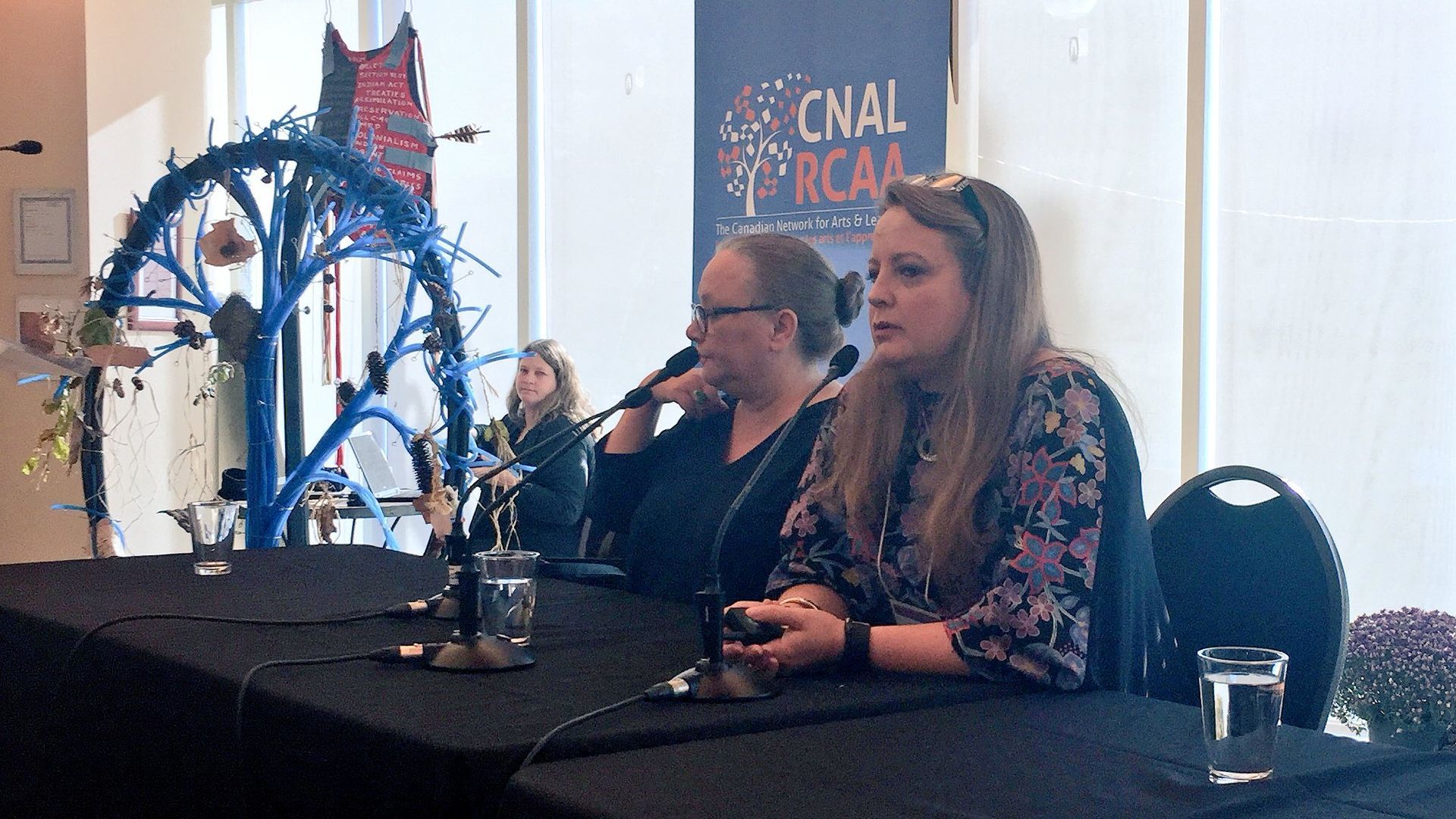
Learning from Indigenous Artists and Art
Salo, Mervi, and Tanya Senk. “Learning from Indigenous Artists and Art.” Plenary presentation at the Celebrating Canadian Diversity Conference, Canadian Network for Arts and Learning, hosted at Wabano Centre for Aboriginal Health, Ottawa, Ontario, October 20, 2017.
- This plenary presentation explored how learning from and with Indigenous artists can deepen reconciliation, ethical practice, and cultural understanding in education. Grounded in Indigenous cultural protocols, the Truth and Reconciliation Commission’s Calls to Action, and the United Nations Declaration on the Rights of Indigenous Peoples, the session addressed issues of cultural appropriation, representation, and responsibility. Drawing on system-level initiatives within the Toronto District School Board, it highlighted the role of artists, Elders, and community relationships in supporting Indigenous student success and authentic arts-based learning.
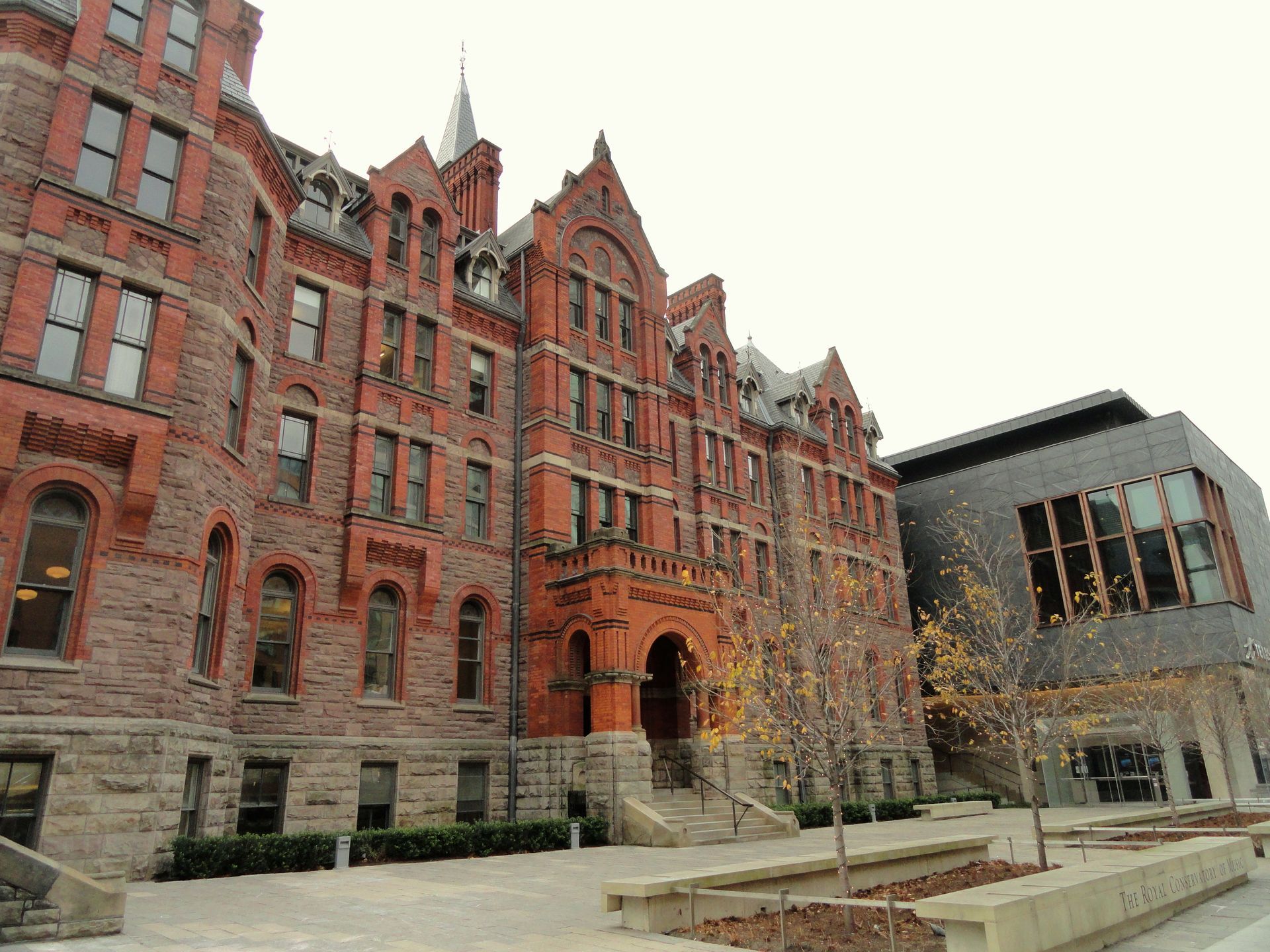
Revision Quest: Change is a Process
Salo, Mervi. “Revision Quest: The Change Process and the Implementation of the Revised Ontario Curriculum Policy Document for The Arts.” Plenary presentation at the Canadian Symposium on Arts and Learning - a regional summit of the World Alliance for Arts Education - hosted by the Canadian Network for Arts and Learning, Royal Conservatory of Music, Toronto, Ontario, December 2–4, 2009.
- This plenary presentation explored the implementation of Ontario’s revised arts curriculum within the broader context of educational change theory and system sustainability. Drawing on recent research and the province’s inclusive, multi-year curriculum review process, it examined how shifts toward arts as a way of knowing - grounded in creativity, critical literacy, equity, and social justice - require coordinated supports to take root. The presentation highlighted initiatives such as leadership networks, research on arts and student achievement, exemplar lessons, webcasted classroom practices, and professional learning subsidies, situating them within a broader model for long-term, systemic change.